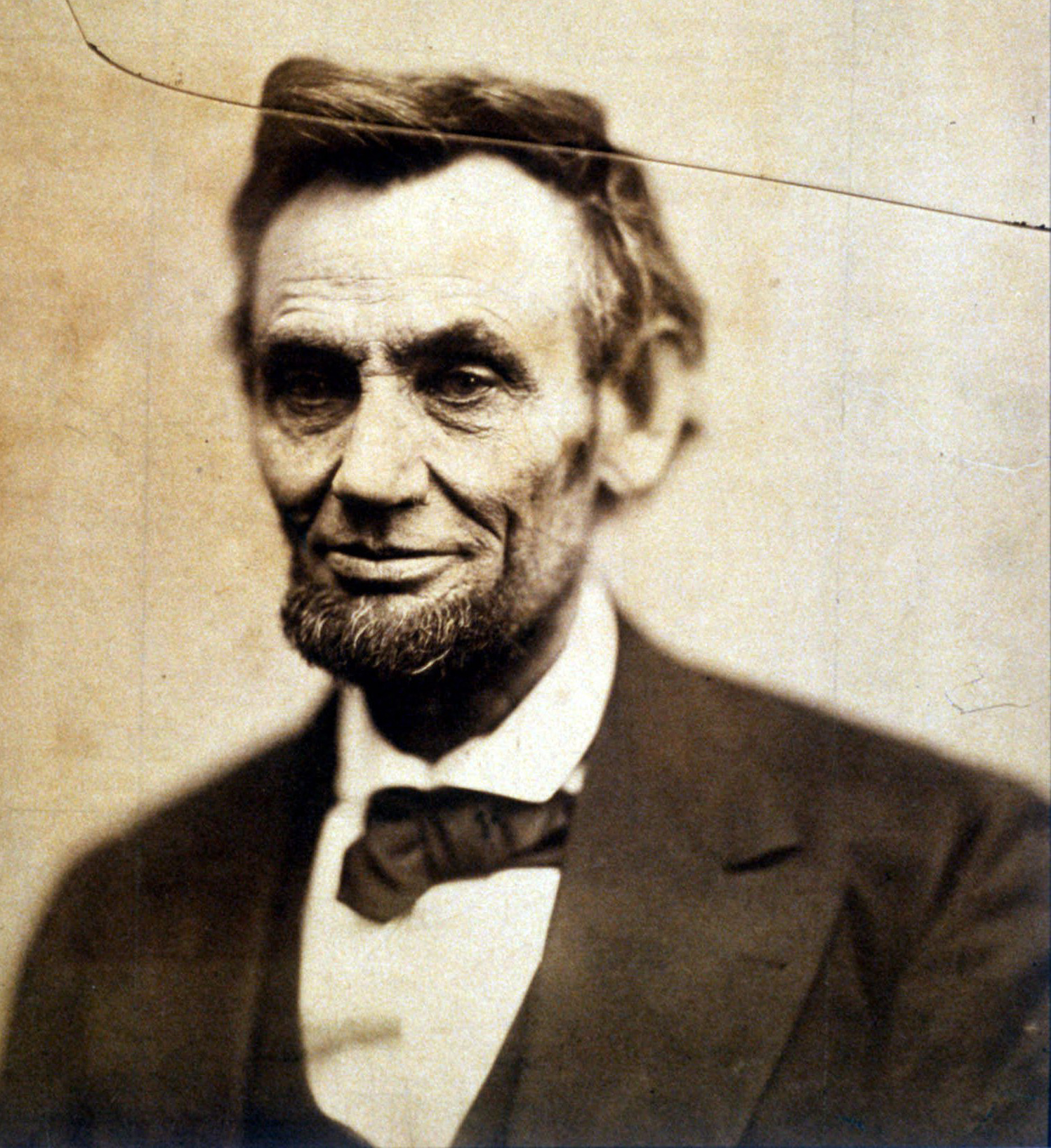
 Writing a book critiquing United States president Abraham Lincoln is a somewhat precarious venture. Lincoln, referred to as Honest Abe or the Great Emancipator, is so highly revered that he has taken on mythological qualities. I remember first finding holes in the official Lincoln story while researching my family tree and reading newspaper articles from Lincoln’s era. Who he was — and who is he now — is vastly different. Author Thomas J. DiLorenzo thoroughly explores documentation from Lincoln’s political era and punches holes in some of the commonly held beliefs about the 16th president.
The book starts off by addressing Lincoln’s racial beliefs. DiLorenzo provides quotes from various times in Lincoln’s life that show Lincoln did not believe in racial equality. Lincoln himself admitted that the Emancipation Proclamation was simply a military maneuver. His goal — and hope — was that the proclamation would spark a slave uprising in the South. According to Lincoln’s own Secretary of State, William Seward,
We show our sympathy with slavery by emancipating slaves where we cannot reach them and holding them in bondage where we can set them free.
Lincoln’s goal throughout his presidency was to deport every black person, free or enslaved. Based on his own words, Lincoln was never opposed to slavery, he was opposed to the extension of slavery into the western states.
One of his biggest affronts to freedom, though, was crushing the first amendment right of free speech immediately after he was inaugurated. Lincoln sent federal troops to shut down numerous newspapers that voiced opposition to the war. He arrested — and held without charged — individuals who opposed the war or supported peaceful succession. One of the men arrested in this manner was Francis Key Howard, grandson of Francis Scott Key — who, of course, wrote The Star Spangled Banner. Howard wrote a book about his experience: Fourteen Months In American Bastiles .
.
Deporting a U.S. Congressman
Another interesting story the author brings to light concerns a duly elected Congressman from Ohio — Clement L. Vallandigham. As the author reports,
At 2:30 a.m. on the morning of May 4, 1863, armed Federal soldiers under the command of General Ambrose Burnside knocked down the doors of the Dayton, Ohio home Congressman Clement L. Vallandigham and arrested him without a civil warrant; then they threw him into a military prison in Cincinnati, Ohio. Congressman Vallandigham was subsequently deported by Lincoln to the Southern states, and he moved to Canada.
Vallandigham “crime” was making a speech in response to Lincoln’s State of the Union Address in which he criticized the president for his unconstitutional usurpation of power. For this he was declared a “traitor” by Lincoln and imprisoned without trial.
Right of Succession
Another compelling part of the book is a section on why the war was fought. Of course, mainstream history repeats the ‘save the Union’ aspect of the War, but what has been lost to history is the Founding Father’s support of a state’s right to leave the Union. The author writes,
In fact, when the Constitution was ratified, Virginia, New York and Rhode Island explicitly reserved the right to secede at some future point. Even when the Civil War began, northern support for a peaceful succession of the Southern states was prevalent.
Revising History?
One fair warning, if you believe any attack on Lincoln’s character is revisionist history, you will not enjoy the book. In the 10 chapters the author addresses such issues as civilians being attacked and killed by northern armies as a sanctioned method of war, suppression of free elections in the north and Lincoln’s career as a lobbyist for the railroad companies (I always thought it was odd the country built railroads during the War). Lincoln’s ties with the railroad led to him to approving ‘internal improvement subsidies’ something every president before him (that dealt with it) vetoed as unconstitutional.
The book paints Lincoln as a dictator attempting to centralize power (in the Federal government). Whether or not that was Lincoln’s ultimate goal it was one of the outcomes of the Civil War. States’ rights and state sovereignty were never restored to their pre-war level.
How It Rates
Rated: 5 out of 5. If you are interested in Civil War history and want a clearer understanding of Lincoln’s political life — including how Henry Clay and the Whigs’ American System heavily influenced Lincoln’s political motives — this is an excellent, relatively short read. This book is also a treasure trove of additional scholarly and non-scholarly book titles about Lincoln and the Civil War.
Learn More
One story lost to history is how a group of Confederate soldiers and their families left the country and started a colony in Brazil after the Civil War ended. Descendants of those families still exist in Brazil to this day. Read about it here.






 Charlie R. Claywell