
Author Archives: CharlieClaywell

Unknown's avatar

About CharlieClaywell

I have been a writer for years, mainly as a reporter, but I have always enjoyed history, especially non-mainstream stories buried inside old documents. My blog mostly centers around those stories. On occasion, though, I deviate and talk about my dog, vintage toys and what it's like to be middle-aged.

Two Classic Movies That Capture American Grit

thL3NGIZIVI have always enjoyed watching films featuring Morgan Freeman or Denzel Washington. Both of these actors seem to pick high-quality scripts as is the case with these two movies: Lean on Me (1989) and John Q (2002). The movies shine a light on two strong male characters who rise to the occasion and refuse to surrender to the hardship they face.

Lean on Me
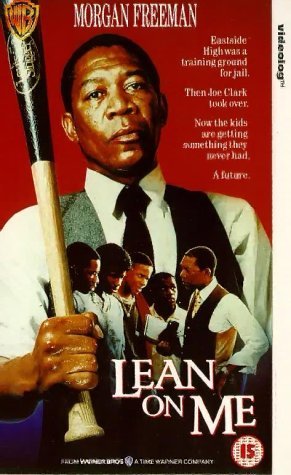
lean-on-meBased on a true story, Morgan Freeman plays the role of Joe Clark, a radical principal brought into the Eastside High School to help out an old friend (and superintendent) of the district. Clark is their last hope for the school to pass the student achievement test and prevent that state from taking over the school. As the story unfolds, the school is, in fact, cleaned up, but the movie is more a story of Clark’s abrasive personality with the staff coupled with a genuine love and concern for the students. One of the most powerful scenes in the movies is when a freshman student, permanently expelled for smoking crack cocaine, begs Clark to let him back in school. Clark does, but not before forcefully explaining the terms of their agreement.

John Q
thECYEMBCYWritten and directed long before the current discussion on the Affordable Care Act (Obamacare), this fictional story examines the very real flaws in the American health system. Denzel Washington plays a down-on-his luck father whose hours at work — and health benefits — have been significantly reduced due to a recession. The story opens with Washington’s vehicle being repossessed which is the least of his problems. While playing in a Little League game his young son collapses near second base — and the family eventually learns the child needs a new heart. The problem is — the insurance won’t cover it so Washington must fund the astronomical costs himself. The story escalates when the desperate father takes matters into his own hands and ensures the health and well-being of his son.

Categories: movies | Tags: , , , ,

‘Selma’ Is A Reminder Of The Barriers To Freedom

Selma, an Oprah produced film about the march from Selma, Alabama by Martin Luther King and other civil rights activists in the 1960s, opens with a powerful scene of an elderly black woman trying to register to vote in the South. She is at the county courthouse with her voting application, but the completed application is not enough.

First, the white clerk asks her to recite the Preamble to the Constitution — which she does. Then the clerks asks her how many county judges Alabama has.

Sixty-seven, she correctly answers.

Name them, he said.

She walks away, once again, denied the right to vote.

Right to Vote

The core issue the movie tackles is Martin Luther King’s attempt to get voting rights for the black community. Although they technically have the right to vote, they are being systematically denied this right through a series of laws and acts of intimation designed to keep them out of the polling booth. When King visits president Lyndon B. Johnson at the White House, King explains to the president that the black community needs the president’s help to secure the voting right.

Calculated Choice

After being rebuffed by LBJ, King embarks on a plan to force the president’s hand. As the movie points out, Selma was not an incidental choice for the march. King and other civil leaders strategically chose the city for its intense hatred of blacks as well as for the local political structure that would be conducive to a march. What unfolds over the course of the movie are the methods and strategies — from marches to court proceedings — used to secure voting rights for blacks.

Stellar Performances

Since the movie is based on a historical event, the film pulls in all the correct political and civil players that were instrumental in the conflict — including Governor George Wallace and FBI Director J. Edgar Hoover. It also uses King’s extramarital affair to move the story forward. But, at times, the movie is painful to watch — like seeing four young black girls die when their church is bombed or when a 82-year-old black man is unmercifully beaten by Billy club-toting white police officers. But so many of the actors deliver powerful performances that, in the end, you get a sense of the desperation, pain, hatred and even hope the citizens and civil leaders have. English actor David Oyelowo’s portrayal of MLK is inspirational especially when reciting some of King’s most well-known speeches.

Rated: 5 out of 5

Definitely a 5-out-of-5 stars film. Besides delivering an accurate (albeit condensed) account of the historical event, it also incorporates the file the FBI kept on MLK. The file — and the notes typed out on the screen — are a stark reminder of how much the government monitored King and the civil rights movement. Overall, the film is a testament to a man who refused to give in — even when it meant death for so many — because he knew his involvement in the movement was an act of morality.


Footnote

BG3MRY Emanuel A.M.E. Church, Charleston, South Carolina, United States of America, North America

As it happened, I watched Selma the night before a 21-year-old white man walked into a black church and executed nine church members. His actions are a reminder of how much more the white culture needs to do to curb the hatred and erase our naïve belief that as a race we are superior to others. And, when I read posts on social media about recent events in Ferguson and Baltimore where white people say — I would protest and riot, but oh yeah, I can’t I have a job, I know Solomon is right when he says there is nothing new under the sun. During The Birmingham Campaign in 1963, white clergy urged black demonstrators to quit participating in the marches, counter sit-in and boycotts.

Categories: American History, movies

1970s Reds Manager Defies Standard Pitching Method — Redefines MLB

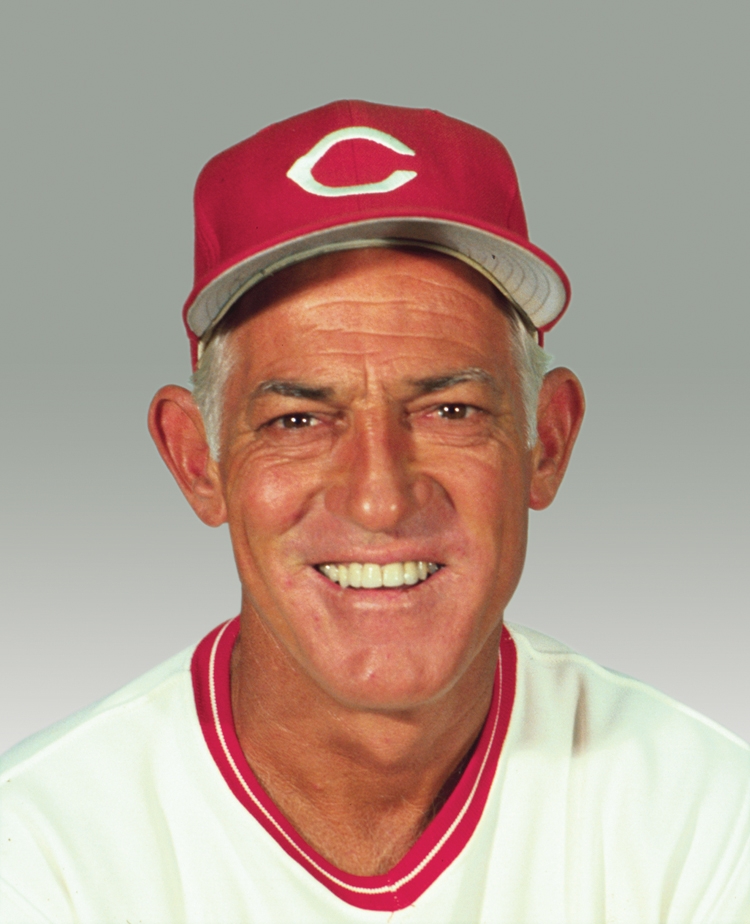
If you are a baseball fan — especially one in southwest Ohio — you know the name Sparky Anderson and the Big Red Machine are inseparable, but what you may not know is how far ahead of the curve Anderson was when it came to managing the game.

One of his most interesting moves occurred near the beginning of the 1975 baseball season. The Reds — filled with a roster of great players — were 12-12 at the beginning of May– hardly the record of a team destined to win one of the greatest World Series of all times just six months later.

Sparky made the decision to move Pete Rose to third, opening up the outfield for players like George Foster, and the Reds became unstoppable, ending the season with a 108-54 record — 20 games ahead of their rival the Los Angeles Dodgers. They went on to win their first World Series in four decades.

But that was not the trend-setting decision that redefined MLB. It was Anderson ‘s use — considered overuse at the time — of the bullpen. He removed starting pitchers at the first sign of trouble — earning himself the nickname Captain Hook.

In 1970, Anderson began relying on relievers to secure a win instead of expecting the starting pitcher to throw a complete game — which was the standard operating procedure at the time. As the Cincinnati Enquirer reported,

In Anderson’s first year at the helm of the Big Red Machine, the saves compiled by his bullpen outnumbered the complete games of the Reds’ starting pitchers.

Although that is a common trend for a team’s stats today, it was seven years before the rest of MLB caught up with the concept.

Despite the Reds winning seasons through the early 70s, Anderson’s bullpen approach to preserving a win was not well received in Cincinnati. In fact, in 1974 during a 45-game stretch with no complete games, the paper reported,

… even Reds fans were booing Anderson loudly when he came out of the dugout to remove another pitcher. Anderson on occasion alluded to the reception his appearances were getting from the patrons.

‘One of these days they are going to have Spear Day at Riverfront,’ said Anderson, ‘and the fan coming closest to my heart when I yank a pitcher will win a Buick.’


Americans Who Got It Right

This post is part of an ongoing series that focuses on the various men and women throughout American history — and from all walks of life — who bucked the trend, thought for themselves or, in general, possessed that very American ideal of individualism. You can read previous entries here.

Categories: Americans Who Got It Right, Baseball | Tags: ,