
Civil War History

Redford’s Film ‘Conspirator’ Humanizes Lincoln’s Assailants

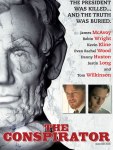
conspiratorBoth films I have watched which were produced by Robert Redford explore how humans respond to adverse conditions. In an Unfinished Life, Redford plays an angry, bitter old man who quit living the day his son died.

In the 2010 film, Conspirator, though, Redford only works from behind the camera. But, his hand is still felt as the character of Mary Surratt and her attorney, Frederick Aiken, develop over the course of the 2-hour film.

Setting the Stage

The film moves quickly through the assassination of president Abraham Lincoln, the attempted assassination of vice president Andrew Johnson — and the aborted attack on Secretary of State William Seward. Once the crime scene is established, Redford wraps up the background story by, again, quickly moving the story along. First with the death of James Wilkes Booth and then with the arrest of his associates, which include the owner of a Washington D.C. boarding house Booth frequented — Mary Surratt.

The crux of the story then unfolds around Surratt and Aiken, a former Union soldier assigned the case — and who believes Surratt is guilty of conspiracy. However, the attorney attempts to push aside his reservations and truly represent her in court. As the court drama unfolds, Aiken realizes that the military tribunal is a sham — and that Surratt is going to be found guilty regardless of any evidence he presents.

Surratt’s Southern Roots

Also complicating Aiken’s task is his client. Surratt makes no bones about her allegiance to the South, but she adamantly denies any involvement in a conspiracy to kill Lincoln. As the story unfolds, it appears Surratt is telling the truth and that her true motive for being evasive is her motherly desire to protect her son, John, the man the court actually wants to try and execute.

Guilty Verdict

Surratt is found guilty and sentenced to die by hanging along with three other men arrested on conspiracy charges. But her attorney, now her champion because of the way the court railroading her through the process, is able to secure a change of venue and the right for Surratt to be tried by a jury of her peers in a civilian court.

But in a final twist of cruelty, after Aiken gives Surratt the good news, guards walk into her cell and advise her she is to be hanged. President Andrew Johnson had overturned the request for a new trial.

As the credits roll, viewers are handed one more final twist.

They learn that John Surratt is captured and tried 18 months later. He is found not guilty of conspiracy and released.

Rated 4 out of 5

The only downside to the film, is it presumes viewers know about the conspirators tried and convicted after Lincoln’s death. For those unfamiliar with the details of the assassination plot — and the role various men played in it — they will walk away from the film with very little understanding of how the plot was orchestrated.


39589509_134721958975Learn More

Although many historians accept the guilt of most of the conspirators, many are uncertain of Mary Surratt’s guilt. You can learn more about the life of Mary Surratt by visiting the Surratt House Museum website.

Surratt’s attorney, Aiken quit law shortly after the trial, became a city editor for the Washington Post, but died at a relatively young age in 1878. He was buried in an unmarked grave. In 2012 the Surratt Society of Maryland erected a modern headstone on Aiken’s grave.
Categories: Civil War History | Tags: , ,

‘The Real Lincoln’ Explores Man Behind The Myth

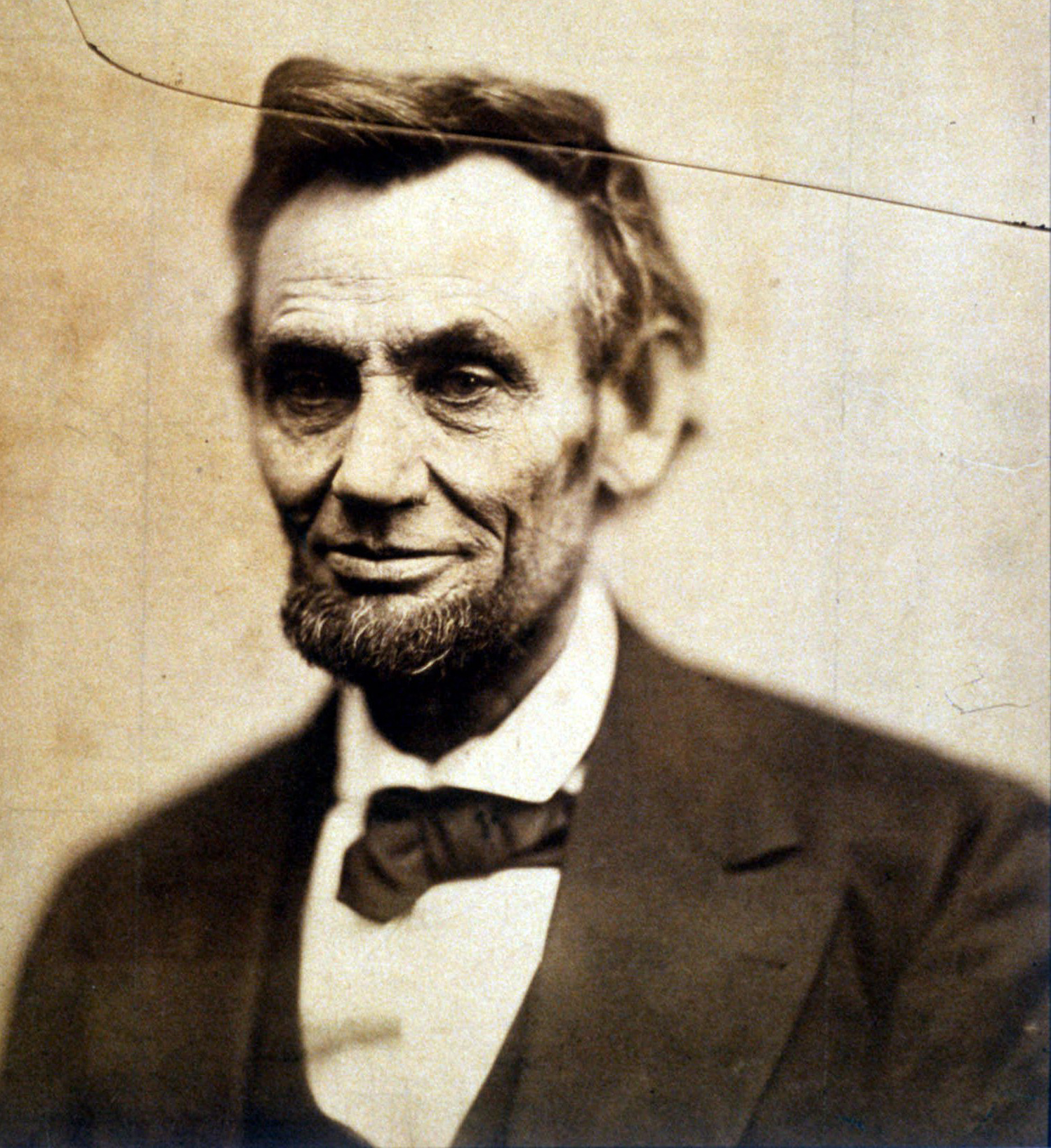
LINCOLNWriting a book critiquing United States president Abraham Lincoln is a somewhat precarious venture. Lincoln, referred to as Honest Abe or the Great Emancipator, is so highly revered that he has taken on mythological qualities. I remember first finding holes in the official Lincoln story while researching my family tree and reading newspaper articles from Lincoln’s era. Who he was — and who is he now — is vastly different. Author Thomas J. DiLorenzo thoroughly explores documentation from Lincoln’s political era and punches holes in some of the commonly held beliefs about the 16th president.

The book starts off by addressing Lincoln’s racial beliefs. DiLorenzo provides quotes from various times in Lincoln’s life that show Lincoln did not believe in racial equality. Lincoln himself admitted that the Emancipation Proclamation was simply a military maneuver. His goal — and hope — was that the proclamation would spark a slave uprising in the South. According to Lincoln’s own Secretary of State, William Seward,

We show our sympathy with slavery by emancipating slaves where we cannot reach them and holding them in bondage where we can set them free.

Lincoln’s goal throughout his presidency was to deport every black person, free or enslaved. Based on his own words, Lincoln was never opposed to slavery, he was opposed to the extension of slavery into the western states.

One of his biggest affronts to freedom, though, was crushing the first amendment right of free speech immediately after he was inaugurated. Lincoln sent federal troops to shut down numerous newspapers that voiced opposition to the war. He arrested — and held without charged — individuals who opposed the war or supported peaceful succession. One of the men arrested in this manner was Francis Key Howard, grandson of Francis Scott Key — who, of course, wrote The Star Spangled Banner. Howard wrote a book about his experience: Fourteen Months In American Bastiles.

Deporting a U.S. Congressman

Another interesting story the author brings to light concerns a duly elected Congressman from Ohio — Clement L. Vallandigham. As the author reports,

At 2:30 a.m. on the morning of May 4, 1863, armed Federal soldiers under the command of General Ambrose Burnside knocked down the doors of the Dayton, Ohio home Congressman Clement L. Vallandigham and arrested him without a civil warrant; then they threw him into a military prison in Cincinnati, Ohio. Congressman Vallandigham was subsequently deported by Lincoln to the Southern states, and he moved to Canada.

Vallandigham “crime” was making a speech in response to Lincoln’s State of the Union Address in which he criticized the president for his unconstitutional usurpation of power. For this he was declared a “traitor” by Lincoln and imprisoned without trial.

Right of Succession

Another compelling part of the book is a section on why the war was fought. Of course, mainstream history repeats the ‘save the Union’ aspect of the War, but what has been lost to history is the Founding Father’s support of a state’s right to leave the Union. The author writes,

In fact, when the Constitution was ratified, Virginia, New York and Rhode Island explicitly reserved the right to secede at some future point. Even when the Civil War began, northern support for a peaceful succession of the Southern states was prevalent.

Revising History?

One fair warning, if you believe any attack on Lincoln’s character is revisionist history, you will not enjoy the book. In the 10 chapters the author addresses such issues as civilians being attacked and killed by northern armies as a sanctioned method of war, suppression of free elections in the north and Lincoln’s career as a lobbyist for the railroad companies (I always thought it was odd the country built railroads during the War). Lincoln’s ties with the railroad led to him to approving ‘internal improvement subsidies’ something every president before him (that dealt with it) vetoed as unconstitutional.

The book paints Lincoln as a dictator attempting to centralize power (in the Federal government). Whether or not that was Lincoln’s ultimate goal it was one of the outcomes of the Civil War. States’ rights and state sovereignty were never restored to their pre-war level.

How It Rates

Rated: 5 out of 5. If you are interested in Civil War history and want a clearer understanding of Lincoln’s political life — including how Henry Clay and the Whigs’ American System heavily influenced Lincoln’s political motives — this is an excellent, relatively short read. This book is also a treasure trove of additional scholarly and non-scholarly book titles about Lincoln and the Civil War.


Learn More

One story lost to history is how a group of Confederate soldiers and their families left the country and started a colony in Brazil after the Civil War ended. Descendants of those families still exist in Brazil to this day. Read about it here.

Categories: American History, Civil War History, Ohio History, Politics | Tags:

Original News Report on Lincoln’s Assassination Shows Much Has Changed

LINCOLNAs many Americans know, today marks the day President Abraham Lincoln was shot. The Associated Press released an edited version of the original 1865 news story filed from Washington D.C.

One of the most interesting aspects of the historical newspaper account, at least from a journalist point of view, is how the reporter ‘buried the lead.’ The reader does not learn until the third paragraph that the president has been shot.

The third paragraph of the story notes,

The groans of Mrs. Lincoln first disclosed the fact that the President had been shot, when all present rose to their feet rushing towards the stage, many exclaiming, ‘Hang him, hang him!’ The excitement was of the wildest possible description…

When reading the story, it’s interesting to observe what the reporter felt the reader should know first: U.S. Grant’s decision to bail on Lincoln’s invitation to watch the play — and the name of the play. Both of those facts were revealed before the reader learns the president has been shot.

Read the 1865 news account, here.

Categories: American History, Civil War History