Growing up, I was intrigued by planes. I read and re-read a book written in the 30s or 40s — its title I no longer remember — about a couple of boys and their airplane adventures. I was also fascinated by the stories of Charles Lindbergh and Amelia Earhart. As I aged, I lost interest, but recently noticed an interesting story about Amelia Earhart.
Although in my youth, the prevalent theory I heard about Earhart was her plane went missing and she crashed and died, but one theory I never heard was that she landed on an island and died as a castaway. This theory gained new traction recently when it was revealed that bones, discovered and dismissed in 1940, may in fact be her skeleton remains. The group behind that discovery is hoping, in 2017, to send a submarine to the island where the bones were found.
USA Today ran an interesting article about their quest and the three main theories that have circulated about Earhart’s death.
When the name Andrew Carnegie is mentioned, people often think of the boy immigrant from Scotland who became the wealthiest man in the United States. Of course, he was more than a rich industrialist, he was also the philanthropist who founded thousands of public libraries worldwide.
As author of the Gospel of Wealth he implored the wealthy to follow his example and give all their money away before they died.
He also had a nearly decade-long obsession with simplifying the English language. He wanted to streamline the spelling of hundreds of words — and he had the backing of a U.S. president.
Simplified Spelling Board
After acquiring his enormous wealth, Carnegie pursued several passions, but by far his most pressing concern was world peace. He set out to create a United Nations type of international board because he felt man had evolved to an intellectual level that made war unnecessary. It was because of his desire for world peace that spelling became a side hustle. He believed English eventually would be the language of the world — and the language could be used to promote peace — if some pesky words were revised.
So, in 1906, he established the Simplified Spelling Board — committing $15,000 annually (more than $350,000 in today’s money) until his death in 1919.
They do not intent to urge any violent alteration in the appearance of familiar words. They will not advance any extreme theories. They will not expect to accomplish their task in a day or in a year. They wish, in brief, to expedite that process of simplification which has been going on in English, in spite of the opposition of conservatives, ever since the invention of printing, notably in the omission of silent and useless letters.
Political Uproar
The board wanted to introduce 300 revised words to the public. Some of the new spellings included dropping the ‘i’ out of believe (beleve) and changing words that ended in ‘-ed’ to ‘t’ (shipped would become ‘shipt.’) President Theodore Roosevelt, who had close ties to Carnegie, championed the cause by issuing an executive order requiring the revised spellings to be used in all communication from his office. Congress was not amused. They passed a resolution a few months later stating Congress would only use spelling found in accepted dictionaries.
Carnegie Disillusioned
In the end, the Spelling Board moved too slowly for Carnegie. When he died in 1919, Carnegie omitted the organization from his will, essentially bankrupting them. The board disbanded a year later, but not before publishing the Handbook of Simplified Spelling which was written using the revised words.
Efforts to improve the spelling of English words have been underway since 1755 when Samuel Johnson published his scholarly dictionary. The dictionary relied on the word’s origin to determine its spelling ignoring common spellings. This short article by Dr. Edward Rondthaler examines the spelling movement up to the current era.
Understanding the American experience, for me, means listening to a ever-widening set of voices. I recently sat down and watch three very different approaches of telling stories about the American way. I highly recommend all three films, they are all 5 out of 5 stars in my opinion — but be advised that the last one, a comedy routine, does have content and language some may find offensive.
The Brainwashing of My Dad
In this independent film shot by Jen Senko, Senko seeks to understand what transformed her mostly apolitical ‘Kennedy Democrat’ father into an angry, Right-Wing radical. What she uncovers along the way are the people and movements behind more than a 40 year effort to move the country further to the Right. Although it could fall under a ‘kooky conspiracy’ theory-type film, the skill of Senko is she is not interested in some conspiracy theory, but rather is seeking to understand her father’s transformation. This means she interviews experts that understand how the media — whether liberal or conservative — works.
The movie does focus a lot of attention on Fox News and talk radio celebrities like Rush Limbaugh because those were two heavy influences in her father’s transformation. She even includes a clip where Limbaugh poses the question as guest on a TV show: Do I believe what I say — you decide. The scene reminds me of David Letterman telling Bill O’Reilly that O’Reilly, Limbaugh and Glenn Beck were all too smart to believe what they said.
If you are interested in how America became so angry, ‘Brainwashing’is a great place to begin.
Brothers on the Line
Large swaths of American Labor history go relatively unknown by the public at large and such is the case with the Reuther brothers, three men, largely forgotten despite their huge impact on the lives of millions of American workers. in this documentary, narrated by Martin Sheen, the story of Walter, Roy and Victor Reuther tells how the trio organized, united and improve the quality of life for many Americans through their work with the United Auto Workers union. In their lifetime they helped make it one of the most powerful unions of all times.
But as the film reveals it did not come without a high price. Two of the brothers were victims of violence as unknown assailants attempted to murder them. The violence, though, only seemed to strength their resolve. Their story is one of perseverance, conviction, hard work and the belief that every American deserves a fair shake. The film is available on Netflix, Amazon and other online sites.
David Cross: Making America Great Again!
Actor David Cross, probably best known for his role as Tobias Fünke in the sitcom Arrested Development, filmed a stand-up comedy routine at a Texas venue which was released on Netflix. As the title implies, the set is political and he discusses many of the asinine comments and beliefs that have besieged America in this presidential election cycle. His cerebral approach to the country’s failures on gun violence, racism, and the political process will not appeal to everyone. In fact, many will be offended when he theorizes why God allows our children to be murdered in mass shootings, but what he repeatedly and effectively does is shine a bright light on our collective hypocrisy.
Although this site began as a repository for American history stories, over time it essentially became a 'brain dump.' For more than a year, I've used the site to work through my beliefs and opinions in this post-truth era of political illiteracy.

 Growing up, I was intrigued by planes. I read and re-read a book written in the 30s or 40s — its title I no longer remember — about a couple of boys and their airplane adventures. I was also fascinated by the stories of Charles Lindbergh and Amelia Earhart. As I aged, I lost interest, but recently noticed an interesting story about Amelia Earhart.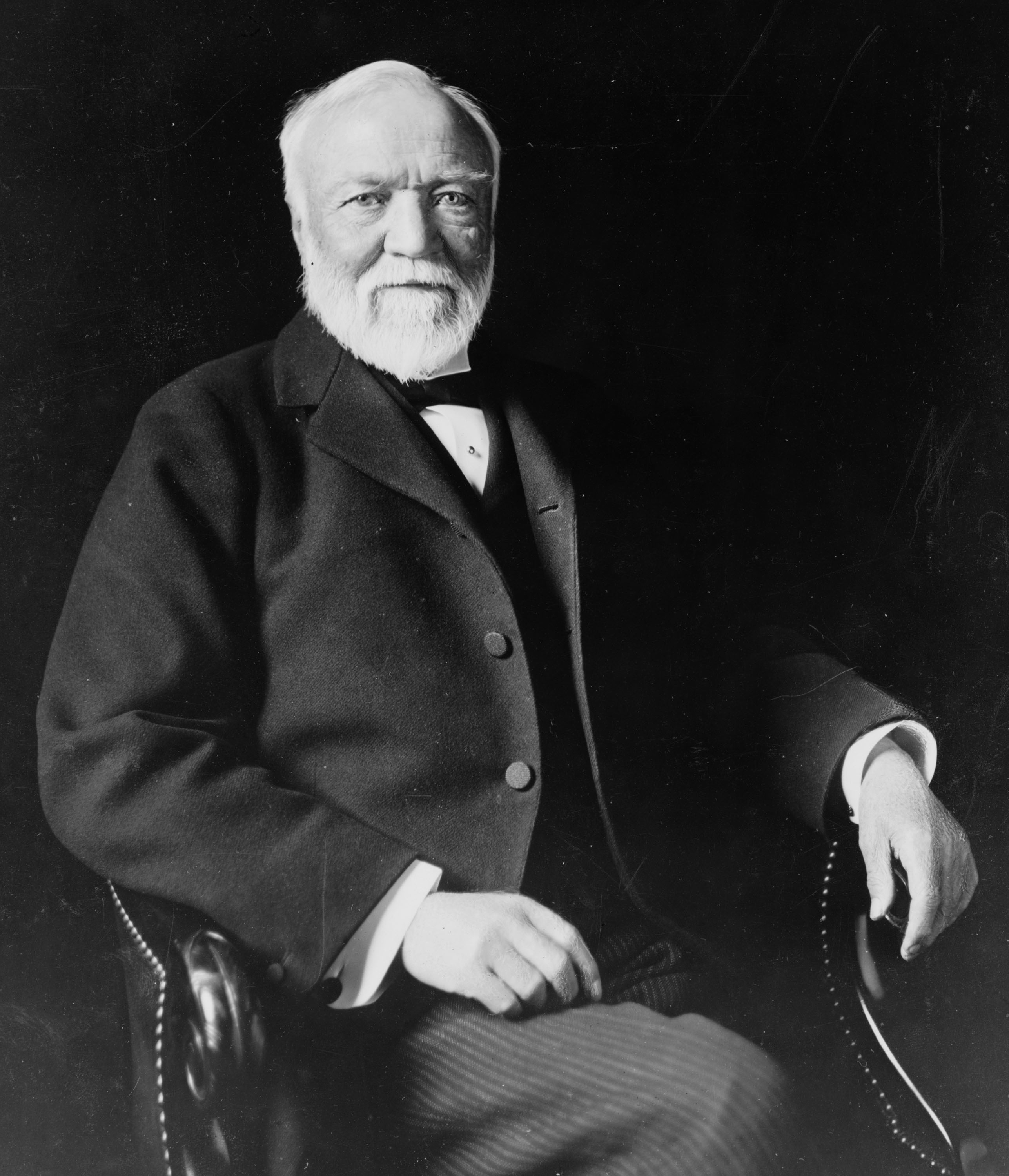



 Charlie R. Claywell